The 6 Days Comfort Rongai Route Kilimanjaro Climb is a scenic and professionally organised trekking adventure designed for travellers seeking comfortable mountain camping, experienced guides, freshly prepared meals, and reliable support while climbing Mount Kilimanjaro.
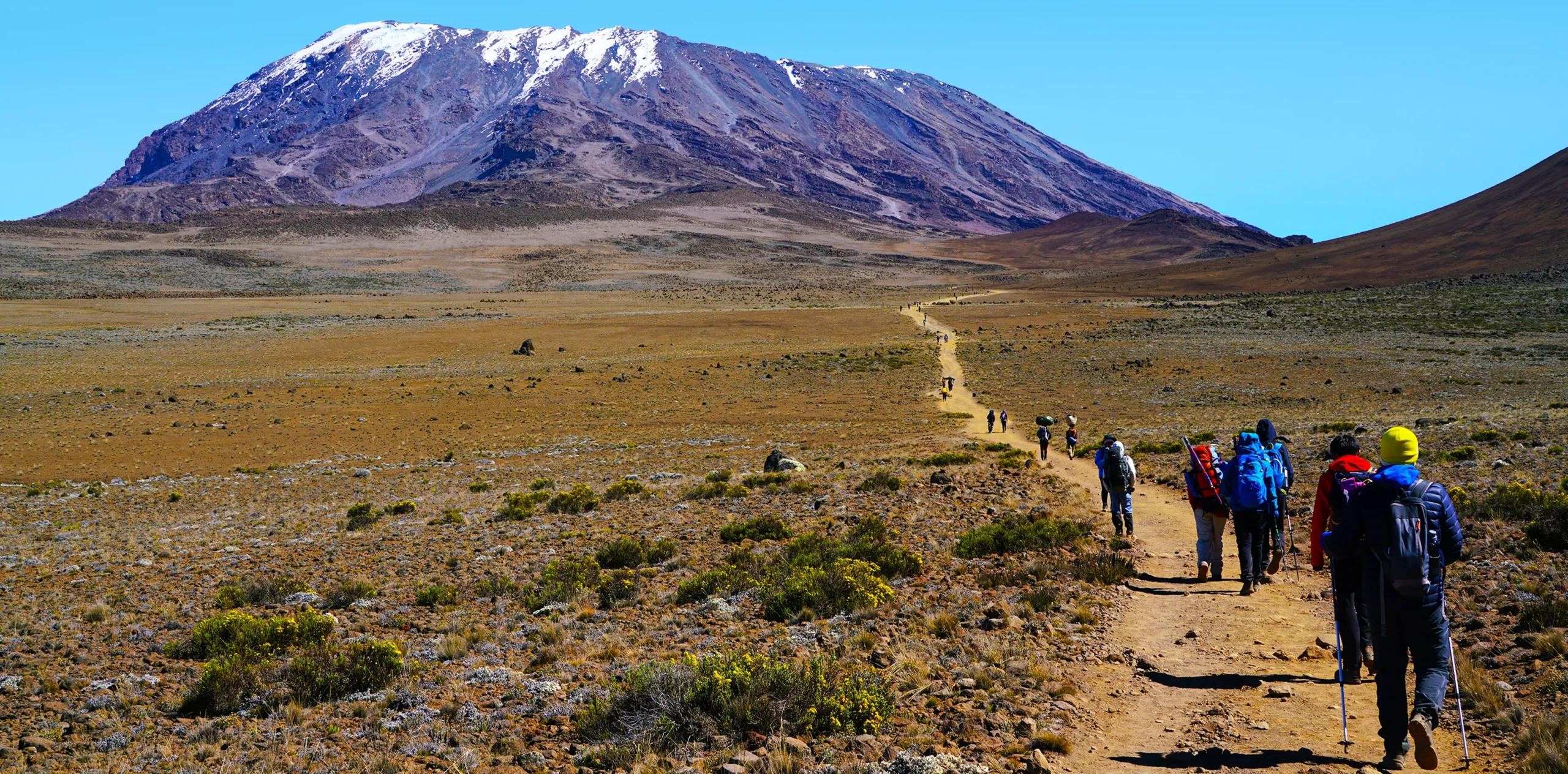
The Rongai Route approaches Mount Kilimanjaro from the northern side, close to the Kenya–Tanzania border. It is known for its relatively quiet trails, beautiful wilderness landscapes, gradual trekking sections, and spectacular views of Mawenzi Peak and Kibo.
Our 6 Days Comfort Rongai Route combines the experience of climbing Africa’s highest mountain with quality camping equipment, insulated sleeping mattresses, organised dining facilities, and professional mountain services.
Unlike the Marangu Route, which uses permanent mountain huts, the Rongai Route provides tented camping accommodation during the ascent. Climbers descend through the Marangu Route after the summit attempt.
The six-day itinerary typically passes through Simba Camp, Kikelewa Camp, Mawenzi Tarn Camp, and Kibo Hut before attempting Uhuru Peak at 5,895 metres. The night at Mawenzi Tarn provides an important opportunity for altitude adaptation before continuing towards Kibo.
Our comfort climbing experience offers a balance between affordable comfort, beautiful mountain scenery, and organised trekking services without the additional expense of premium luxury packages.
6 Days Comfort Rongai Route Highlights
- Climb Mount Kilimanjaro through the scenic northern Rongai Route.
- Experience relatively quiet mountain trails and beautiful wilderness landscapes.
- Enjoy comfortable camping with quality weather-resistant mountain tents.
- Sleep on insulated mattresses with suitable mountain sleeping equipment.
- Enjoy freshly prepared meals from a professional mountain cook.
- Relax in an organised dining tent with tables and camping chairs.
- Explore Kilimanjaro’s northern forests, moorland, and alpine desert.
- Enjoy impressive views of Mawenzi Peak and Kibo.
- Spend a night at beautiful Mawenzi Tarn Camp.
- Experience an acclimatisation opportunity before reaching Kibo Hut.
- Attempt Uhuru Peak at 5,895 metres with experienced mountain guides.
- Descend through the famous Marangu Route.
- Complete the expedition with an organised transfer back to Moshi.
6 Days Comfort Rongai Route Kilimanjaro Itinerary
Day 1: Rongai Gate to Simba Camp
Your Kilimanjaro adventure begins with a morning transfer from your hotel in Moshi to Rongai Gate, also known as Nalemoru Gate, near the Kenya–Tanzania border.
After completing park registration and meeting your professional mountain guides and support crew, your trek begins through cultivated land and beautiful forest landscapes.
The Rongai Route offers a quieter introduction to Mount Kilimanjaro, with fewer trekkers on some sections compared with the popular southern routes.
As the trail gradually ascends, the vegetation changes from forest to open mountain surroundings.
Upon reaching Simba Camp, your mountain crew will organise your comfortable sleeping tents and prepare a freshly cooked dinner.
Enjoy the peaceful mountain environment before resting for the following day’s ascent.
Trekking Time: Approximately 3–4 hours
Distance: Approximately 8 km
Elevation: 1,950 m to 2,625 m
Accommodation: Comfort Camping – Simba Camp
Day 2: Simba Camp to Kikelewa Camp
After breakfast, continue trekking through Kilimanjaro’s heath and moorland vegetation zone.
The trail passes through open landscapes, offering impressive views of Mawenzi Peak and the northern slopes of Mount Kilimanjaro when weather conditions permit.
Along the way, the route passes the Second Cave area before continuing towards Kikelewa Camp.
This is one of the longer trekking days before the summit attempt, with increasingly noticeable changes in altitude and vegetation.
Your guide will monitor your wellbeing throughout the day.
Upon arrival at Kikelewa Camp, your mountain support team will prepare your camping equipment and serve a nutritious evening meal.
Trekking Time: Approximately 6–7 hours
Distance: Approximately 11 km
Elevation: 2,625 m to approximately 3,630 m
Accommodation: Comfort Camping – Kikelewa Camp
Day 3: Kikelewa Camp to Mawenzi Tarn Camp
After breakfast, leave Kikelewa Camp and continue towards Mawenzi Tarn, one of the most beautiful high-altitude camping locations on Mount Kilimanjaro.
The trail gradually enters a more exposed mountain environment, with increasingly dramatic views of Mawenzi Peak.
Mawenzi Tarn Camp is situated beneath the rugged peaks and volcanic ridges of Mawenzi, creating a distinctive mountain atmosphere.
This relatively shorter trekking stage provides additional time for rest and adjustment to the higher elevation.
Upon reaching the campsite, enjoy a freshly prepared meal and relax in your comfortable mountain camping accommodation.
Your guide will also assess your wellbeing and explain the following day’s journey towards Kibo Hut.
Trekking Time: Approximately 4–5 hours
Distance: Approximately 5 km
Elevation: 3,630 m to approximately 4,330 m
Accommodation: Comfort Camping – Mawenzi Tarn Camp
Day 4: Mawenzi Tarn Camp to Kibo Hut
After breakfast, continue trekking towards Kibo Hut, crossing the open alpine desert landscape between Mawenzi and Kibo peaks.
This section is commonly known as the Saddle and offers spectacular views of Kilimanjaro’s volcanic terrain.
Vegetation becomes increasingly scarce, and the environment grows colder and more exposed as you approach Kibo Hut.
Upon reaching Kibo Hut, your mountain support team will organise your overnight arrangements and prepare an early meal.
Unlike the previous nights, which are spent in tents, Kibo Hut provides basic shared mountain accommodation.
Your professional mountain guides will provide a detailed briefing about the summit attempt, expected weather conditions, and safety considerations.
The afternoon is reserved for rest before the challenging summit journey.
Trekking Time: Approximately 5–6 hours
Distance: Approximately 7 km
Elevation: 4,330 m to 4,703 m
Accommodation: Shared Mountain Hut – Kibo Hut
Day 5: Kibo Hut to Uhuru Peak – Descend to Horombo Hut
Today is the most challenging and memorable day of your 6 Days Comfort Rongai Route Kilimanjaro Climb.
The summit attempt normally begins around midnight, accompanied by experienced mountain guides.
The route ascends towards Gilman’s Point at approximately 5,685 metres before continuing along the crater rim towards Uhuru Peak, if mountain conditions and individual wellbeing allow.
At 5,895 metres above sea level, Uhuru Peak is the highest point on Mount Kilimanjaro and the African continent.
Reaching the summit is an extraordinary achievement, offering spectacular mountain scenery when weather conditions permit.
After the summit attempt, descend towards Kibo Hut for a short rest before continuing to Horombo Hut along the Marangu Route.
Upon arrival, enjoy a freshly prepared meal and rest in the shared mountain hut accommodation.
Your mountain guides will prioritise climber wellbeing and safety throughout the summit journey.
Trekking Time: Approximately 12–15 hours
Summit: Uhuru Peak – 5,895 m
Overnight: Horombo Hut – approximately 3,720 m
Accommodation: Shared Mountain Hut – Horombo Hut
Day 6: Horombo Hut to Marangu Gate
After breakfast, begin your final descent through Kilimanjaro’s beautiful moorland and rainforest zones towards Marangu Gate.
The route passes through changing mountain landscapes, providing a different experience from the northern Rongai ascent.
Enjoy the lush green vegetation and surrounding scenery as you return to lower elevations.
Upon reaching Marangu Gate, complete the necessary park procedures and receive the appropriate summit certificate if you reached a qualifying summit point.
Your driver will then transfer you back to your hotel in Moshi.
This marks the completion of your 6 Days Comfort Rongai Route Kilimanjaro Climb.
Trekking Time: Approximately 5–7 hours
Distance: Approximately 20 km
Elevation: 3,720 m to approximately 1,860 m
Comfort Camping Accommodation on the Rongai Route
The 6 Days Comfort Rongai Route offers a combination of comfortable mountain camping and permanent hut accommodation.
During the northern ascent, climbers stay in mountain tents at Simba Camp, Kikelewa Camp, and Mawenzi Tarn Camp.
The summit approach and descent include shared mountain hut accommodation at Kibo Hut and Horombo Hut.
Our comfort arrangements focus on quality sleeping equipment, organised camping facilities, nutritious meals, and reliable mountain support.
Quality Mountain Sleeping Tents
Comfort camping arrangements use weather-resistant mountain tents suitable for Kilimanjaro’s changing conditions.
Depending on the selected package, tents may offer improved interior space and organised sleeping arrangements compared with basic camping equipment.
Comfortable Sleeping Mattresses
Quality insulated mattresses provide cushioning and help reduce heat loss during cold mountain nights.
Suitable sleeping bags and additional thermal bedding may also be arranged according to your selected comfort package.
Organised Dining Facilities
A dedicated dining tent may be provided at the camping locations, offering a sheltered environment for enjoying meals.
Comfort arrangements can include tables, camping chairs, and organised meal service.
At Kibo and Horombo huts, dining arrangements depend on the available shared mountain facilities.
Personal Hygiene Arrangements
Warm washing water and basic personal cleaning facilities may be available at suitable campsites.
Standard campsite and hut toilets are normally used. Private portable toilets may be requested where permitted, but they are not a standard comfort service.
Comfort Mountain Dining and Freshly Prepared Meals
Nutritious meals are an important part of the six-day Comfort Rongai Route climbing experience.
A professional mountain cook prepares meals according to the daily trekking schedule and available mountain cooking facilities.
Meals may include rice, pasta, potatoes, vegetables, soups, eggs, fruits, meat, and warm beverages, depending on available ingredients and dietary preferences.
Breakfast: Enjoy a nutritious morning meal with hot drinks before the day’s trekking programme.
Lunch: Packed lunches or freshly prepared meals are organised according to the daily itinerary.
Dinner: Enjoy a freshly cooked evening meal after reaching your overnight mountain accommodation.
Special Dietary Requirements: Vegetarian, vegan, and other dietary preferences can be discussed before departure.
The Comfort Rongai dining experience focuses on quality meals, reliable preparation, and practical mountain facilities rather than elaborate luxury dining services.
Professional Mountain Guides and Dedicated Support Team
Professional mountain support is essential throughout the 6 Days Comfort Rongai Route Kilimanjaro Climb.
Our climbing arrangements focus on knowledgeable guides, reliable mountain logistics, and attentive services.
Experienced Mountain Guides: Professional guides provide route guidance, daily briefings, and attention to climbers’ health and wellbeing.
Dedicated Mountain Cook: A mountain cook prepares nutritious meals throughout the expedition.
Porter Support: Porters assist with permitted luggage transportation, camping equipment, and food supplies.
Daily Trekking Briefings: Guides explain the following day’s itinerary, expected conditions, and relevant safety considerations.
Organised Mountain Logistics: The support team coordinates accommodation, equipment, meals, and transport arrangements.
Why Choose the 6 Days Comfort Rongai Route?
The six-day Rongai Route is an attractive choice for travellers seeking a quieter Kilimanjaro climbing experience with beautiful northern mountain landscapes.
Unlike Machame and Lemosho, which approach Kilimanjaro from the southern and western sides, Rongai begins near the Kenya–Tanzania border.
The route is known for its relatively gradual lower sections and distinctive views of Mawenzi Peak.
One of its main attractions is Mawenzi Tarn Camp, located beneath the dramatic volcanic ridges of Mawenzi.
The six-day itinerary also provides an overnight stay at Mawenzi Tarn before continuing across the Saddle towards Kibo Hut.
Comfort arrangements improve the climbing experience through quality camping equipment, nutritious meals, and organised mountain services.
For travellers seeking more time to adjust to high altitude, the seven-day Rongai Route is generally preferable.
Best Time to Climb Kilimanjaro via Rongai Route
The Rongai Route can be climbed throughout the year, although the drier periods are generally preferred.
January to March: Often provides favourable climbing conditions, attractive mountain scenery, and occasional snowfall near the summit.
June to October: One of the most popular Kilimanjaro climbing periods, generally associated with drier conditions and good opportunities for mountain views.
November to December: Climbing remains possible despite seasonal rainfall. The northern side of Kilimanjaro can sometimes experience relatively drier conditions than the southern slopes.
April to May: The main rainy season, when mountain trails may become wet, muddy, and more challenging.
Weather conditions can change rapidly throughout the year, particularly at higher elevations.
What to Pack for the 6 Days Comfort Rongai Route
Appropriate trekking equipment is essential for a comfortable Kilimanjaro expedition.
- Waterproof hiking boots.
- Warm insulated jacket.
- Waterproof jacket and trousers.
- Thermal base layers.
- Warm gloves and hat.
- Sleeping bag suitable for freezing temperatures.
- Headlamp with spare batteries.
- Sunglasses and sunscreen.
- Trekking poles.
- Water bottles or hydration system.
- Personal medication and toiletries.
- Comfortable hiking clothing.
- Energy snacks and personal essentials.
Some Comfort Rongai packages may provide sleeping bags, mattresses, or additional camping equipment. These arrangements should be confirmed before departure.
How Difficult Is the 6 Days Comfort Rongai Route?
The six-day Rongai Route is a challenging high-altitude trek that requires appropriate physical preparation.
Although the lower sections of the trail are relatively gradual, the route includes significant elevation gain, exposed alpine terrain, and a demanding summit attempt.
The itinerary provides an acclimatisation opportunity at Mawenzi Tarn Camp before continuing towards Kibo Hut.
However, the six-day programme offers less flexibility for altitude adjustment than longer Rongai itineraries.
Altitude sickness can affect climbers regardless of physical fitness or accommodation comfort.
The seven-day Rongai Route is generally preferable for travellers seeking additional acclimatisation time.
Professional medical advice before travel and appropriate mountain safety guidance are important.
Why Choose Focus Kill Adventures?
Focus Kill Adventures organises Mount Kilimanjaro climbing experiences with professional mountain guides and dedicated support teams.
Our Comfort Rongai Route expeditions focus on carefully planned trekking schedules, quality camping equipment, nutritious meals, and reliable mountain logistics.
We aim to provide a comfortable and professionally organised experience while maintaining the authentic adventure of climbing Mount Kilimanjaro.
Whether travelling individually, as a couple, or with a private group, our team can help arrange a memorable mountain expedition according to your preferred travel dates and requirements.
Frequently Asked Questions About the 6 Days Comfort Rongai Route
1. What is the 6 Days Comfort Rongai Route?
It is a six-day Kilimanjaro climbing itinerary approaching the mountain from the northern side, featuring comfortable camping accommodation, professional guides, mountain hut stays, and organised trekking services.
2. What makes the Rongai Route a Comfort Kilimanjaro climb?
Comfort arrangements focus on quality mountain tents, insulated sleeping mattresses, nutritious meals, organised dining facilities, and reliable mountain support.
3. What is the difference between Comfort and Luxury Rongai Route packages?
Comfort packages generally provide quality camping equipment and practical mountain facilities. Luxury packages may offer larger premium tents, upgraded sleeping arrangements, private toilet options, and additional personalised services.
4. Where does the Rongai Route start?
The Rongai Route begins at Rongai Gate, also known as Nalemoru Gate, on the northern side of Mount Kilimanjaro near the Kenya–Tanzania border.
5. Where do climbers sleep during the six-day Rongai Route?
Climbers stay in mountain tents at Simba Camp, Kikelewa Camp, and Mawenzi Tarn Camp, followed by shared hut accommodation at Kibo Hut and Horombo Hut.
6. Does the Comfort Rongai Route include comfortable mattresses?
Comfort camping arrangements may include quality insulated sleeping mattresses designed for cold mountain conditions.
7. Are private toilets available during the Comfort Rongai climb?
Standard campsite and hut toilets are normally used. Private portable toilets may be available as an additional service where permitted and confirmed in advance.
8. Does the Rongai Route include a dining tent?
An organised dining tent may be provided at camping locations according to the confirmed comfort package. Hut dining facilities are generally shared.
9. Is the 6 Days Comfort Rongai Route suitable for beginners?
The route can be suitable for well-prepared climbers, but the six-day schedule provides limited acclimatisation time. A longer itinerary is generally preferable for beginners.
10. What is the difference between the 6 Days and 7 Days Rongai Route?
The seven-day itinerary generally includes an additional trekking or acclimatisation stage, providing more time for altitude adaptation before the summit attempt.
11. What makes Mawenzi Tarn Camp special?
Mawenzi Tarn Camp is located beneath the dramatic volcanic ridges of Mawenzi Peak and is known for its beautiful high-altitude scenery.
12. How many nights are spent on Mount Kilimanjaro?
The six-day Rongai itinerary includes five mountain nights: Simba Camp, Kikelewa Camp, Mawenzi Tarn Camp, Kibo Hut, and Horombo Hut.
13. How many hours do we trek each day?
Most days involve approximately 3–7 hours of trekking. Summit day is considerably longer and may take approximately 12–15 hours.
14. Is altitude sickness possible on the Rongai Route?
Yes. Altitude sickness can affect any climber regardless of physical fitness. The six-day itinerary provides some acclimatisation opportunities but cannot eliminate altitude-related risks.
15. Can I book a private 6 Days Comfort Rongai Route climb?
Yes. Private climbing arrangements can be requested for individuals, couples, families, and groups, subject to availability.
16. What is the highest point reached on the Rongai Route?
Uhuru Peak, at 5,895 metres above sea level, is the highest point on Mount Kilimanjaro.
17. Does the Rongai Route descend through Marangu?
Yes. The usual Rongai itinerary descends through Horombo Hut and finishes at Marangu Gate.
18. Is reaching Uhuru Peak guaranteed?
No. Summit success depends on weather conditions, individual health, altitude response, and safety decisions made by professional mountain guides.
Book Your 6 Days Comfort Rongai Route Kilimanjaro Climb
Experience Mount Kilimanjaro through a scenic six-day trekking adventure along the quieter northern Rongai Route.
Explore beautiful mountain forests, enjoy the open moorland landscapes, experience the spectacular scenery of Mawenzi Tarn, and take on the challenge of reaching Uhuru Peak at 5,895 metres.
With comfortable camping facilities, quality sleeping arrangements, nutritious mountain meals, and professional guide support, Focus Kill Adventures can help organise a memorable Kilimanjaro climbing expedition.
Whether you are planning a private Kilimanjaro climb, a couples’ adventure, or a small-group expedition, our team can assist with suitable departure dates and personalised arrangements.
Contact Focus Kill Adventures today to request available dates and a personalised quotation for your 6 Days Comfort Rongai Route Kilimanjaro Climb.
Trip Highlights
- Gradual ascent reduces altitude sickness risk
- Gradual ascent reduces altitude sickness risk
- Stunning views of rainforest, moorland, and alpine desert
- Expert local guides and full support team