The best time to visit Ngorongoro Crater depends on your travel preferences, wildlife interests, and the kind of safari experience you want. Located in northern Tanzania, Ngorongoro Crater is one of Africa’s most remarkable wildlife destinations, famous for its dramatic volcanic landscape, diverse animal species, and beautiful highland scenery.
June to October is generally the best period for easier wildlife spotting, thanks to drier weather and shorter grass. However, Ngorongoro Crater offers excellent wildlife-viewing opportunities throughout the year. The green season brings lush landscapes, migratory birds, and beautiful conditions for photography.
With Focus Kill Adventures, you can plan your visit according to your preferred travel dates, accommodation, and safari activities. Whether you want a one-day crater safari or a longer Tanzania wildlife adventure, choosing the right season can help you make the most of your journey.
Best Months to Visit Ngorongoro Crater
The best months depend on what matters most to you, from wildlife visibility and weather to green scenery and fewer visitors.
June to October – Best for Wildlife Viewing
The dry season is a popular time to visit Ngorongoro Crater. Grass is often shorter, rainfall is generally limited, and animals can be easier to observe in open habitats. These months are particularly suitable for travellers interested in wildlife photography and guided game drives.
July, August, and September are busy safari months, so booking accommodation and safari services in advance is advisable. Early mornings can be cold around the crater rim, making a warm jacket useful.
November to December – Best for Green Scenery
The short rains often transform the surrounding landscape into a greener environment. This period can be attractive for photographers and travellers who enjoy fresh scenery and birdwatching.
Rainfall varies, and some tracks may become muddy. Wildlife viewing can still be rewarding because many animals remain in the crater throughout the year.
January to March – Best for Combining Ngorongoro with Ndutu
These months are suitable for travellers who want to combine a Ngorongoro Crater safari with the Ndutu area of the wider Serengeti ecosystem. Seasonal wildebeest calving often takes place around Ndutu during this period, although timing and animal movements vary.
The crater itself has resident wildlife, so visitors do not need to rely on the Great Migration to enjoy a rewarding game drive
April to May – Best for Lush Landscapes and a Quieter Experience
April and May are associated with the long rains. The landscape can be exceptionally green, and visitor numbers may be lower than during peak season.
Rain can affect road conditions and travel schedules, so this period is best for flexible travellers who are comfortable with changing weather. Check accommodation availability and safari arrangements before travelling.
Ngorongoro Crater Weather by Season
Understanding the seasons can help you prepare for your safari.
Dry Season: June to October
- Generally lower rainfall.
- Shorter grass in many areas, helping wildlife visibility.
- Popular months for game drives and photography.
- Cool early mornings, especially around the crater rim.
- Higher visitor demand during peak months.
Short Rains: November to December
- Greener scenery following rainfall.
- Good opportunities for birdwatching.
- Occasional showers and changing road conditions.
- Attractive landscapes for nature photography.
Green Season: January to March
- Beautiful scenery in the wider Ngorongoro ecosystem.
- Opportunities to combine crater wildlife viewing with seasonal activity around Ndutu.
- Potentially changing weather conditions.
- A rewarding period for wildlife enthusiasts and photographers.
Long Rains: April to May
- Lush vegetation and dramatic skies.
- Potentially fewer visitors.
- Rain may affect some roads and travel plans.
- Flexible itineraries are recommended.
Weather conditions can change from year to year, so travellers should confirm arrangements close to their departure date.
Best Time to See Wildlife in Ngorongoro Crater
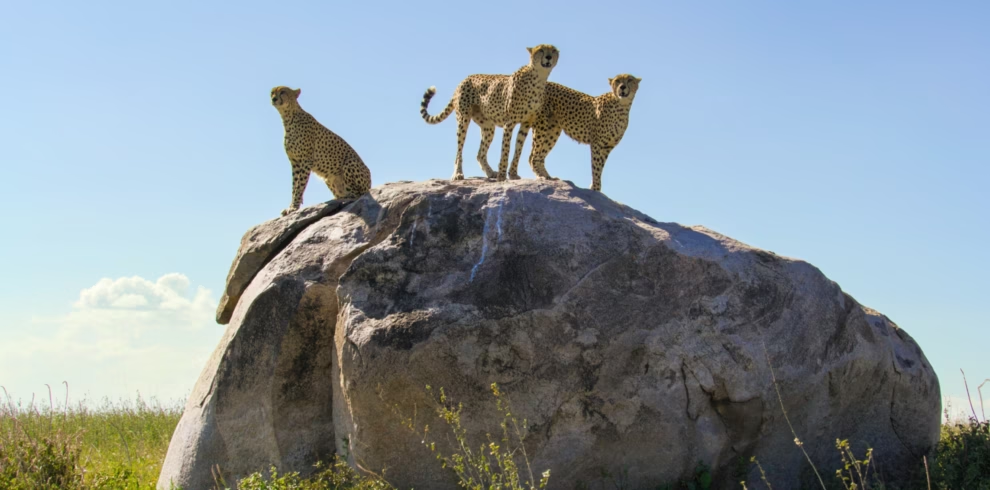
Ngorongoro Crater supports a rich variety of wildlife throughout the year. Unlike destinations where the main attraction depends heavily on migrating herds, the crater has resident animals and a range of habitats that provide year-round game-viewing opportunities.
Lions: Lions may be spotted resting in the grasslands or moving through the crater floor. Their visibility depends on their location and behaviour.
African Elephants: Elephants may be seen in suitable habitats, including woodland areas.
Buffaloes: Buffalo herds are among the animals visitors may encounter during game drives.
Black Rhinoceros: The crater provides habitat for endangered black rhinoceroses, but sightings are not guaranteed.
Zebras and Wildebeest: These grazing animals contribute to the crater’s remarkable wildlife diversity.
Birds and Hippos: Wetlands and water habitats support different bird species and hippos, depending on location and seasonal conditions.
For many travellers, the dry season offers an advantage because shorter vegetation can make some animals easier to spot. Nevertheless, a well-planned safari can be rewarding in every season.
Best Time to Visit Ngorongoro Crater for Photography
Ngorongoro is an excellent destination for wildlife and landscape photography throughout the year.
June to October: Drier conditions and clearer visibility can be helpful for photographing animals against open grasslands. Morning light can also create beautiful scenes across the crater.
November to December: Green vegetation and changing skies create colourful backgrounds for landscape photography. Birdwatchers and photographers may enjoy the seasonal variety.
January to March: The wider Ngorongoro and Ndutu ecosystem can provide opportunities to photograph seasonal wildlife activity, including wildebeest calves around Ndutu when conditions are suitable.
April to May: Lush landscapes, mist, and dramatic skies can create distinctive photographs. Travellers should protect camera equipment from rain and allow flexibility in their schedules.
For the best results, bring a camera with a suitable zoom lens, spare batteries, and a protective bag. Follow your guide’s instructions and avoid disturbing wildlife for photographs.
Best Time to Visit Ngorongoro Crater on a Budget
Travellers seeking better value may consider visiting during the quieter periods, particularly April and May, when some accommodation providers may offer lower rates.
However, savings depend on the property, travel dates, and package selected. Park and conservation fees still apply, and heavy rain may affect travel conditions.
November and early December can also be worth considering if you prefer greener scenery and can accommodate occasional showers.
To manage your budget, compare different accommodation categories, consider travelling with a group, and plan your itinerary early. Ask Focus Kill Adventures for a quotation based on your dates, group size, and preferred comfort level.
Best Time for a Ngorongoro Crater Day Trip
A day trip is possible throughout the year, but the dry season from June to October is a popular choice because conditions are often favourable for wildlife viewing.
An early departure from Arusha is important because the journey involves several hours of driving in each direction, as well as time for park entry and the game drive.
During the green season, a day trip can still be enjoyable, although rain and road conditions may influence the schedule. Travellers staying in Moshi should allow for additional driving time or consider an overnight stay to make the experience more relaxed.
What to Pack for Ngorongoro Crater in Different Seasons
Your packing list should reflect the time of year and the activities planned.
For the Dry Season:
- Warm jacket or fleece for cold mornings.
- Comfortable safari clothing.
- Hat and sunglasses.
- Sunscreen.
- Binoculars and camera.
For the Green Season:
- Waterproof jacket or raincoat.
- Comfortable clothing that dries easily.
- Closed shoes with good grip.
- Camera protection.
- Extra layers for changing temperatures.
For Every Season:
- Personal medication.
- Reusable water bottle.
- Small daypack.
- Camera batteries and memory cards.
- Any essential travel documents.
The crater rim can be considerably cooler than lower areas, so layered clothing is useful throughout the year.
Tips for Planning Your Ngorongoro Safari
To enjoy a successful safari, consider the following recommendations:
Choose the Right Season: Decide whether you prioritise easier wildlife spotting, green scenery, photography, or a quieter experience.
Book Early for Peak Months: June to October is popular, so reserve suitable accommodation and safari arrangements in advance.
Start Early: An early start helps maximise your time for wildlife viewing, particularly on a day trip.
Allow Enough Time: One day can be enough for a crater game drive, while longer itineraries allow you to explore additional destinations.
Combine Destinations Carefully: Serengeti, Tarangire, and Lake Manyara can be included in a longer northern Tanzania safari. Ndutu is worth considering if seasonal wildebeest activity is a priority.
Travel Responsibly: Follow park regulations, maintain a safe distance from wildlife, and respect the natural environment.
Why Choose Focus Kill Adventures for Your Ngorongoro Safari?
Focus Kill Adventures helps travellers plan Tanzania safari experiences around their preferred dates, interests, and budgets.
Personalised Itineraries: Choose a one-day crater safari or a multi-day northern circuit adventure.
Local Safari Guidance: Learn about wildlife, habitats, and conservation during your trip.
Flexible Accommodation: Request budget, midrange, or luxury options according to availability.
Seasonal Planning: Receive help selecting suitable travel dates based on your wildlife interests and preferred experience.
Multi-Destination Safaris: Combine Ngorongoro with Serengeti, Tarangire, Lake Manyara, or the Ndutu area when appropriate.
Whether you want to explore the crater during the dry season or enjoy its green landscapes after the rains, Focus Kill Adventures can help you plan a safari suited to your travel goals.
Frequently Asked Questions About the Best Time to Visit Ngorongoro Crater
1. What is the best month to visit Ngorongoro Crater?
June to October is generally considered one of the best periods for wildlife viewing because conditions are often drier and grass is shorter. However, the crater can be visited throughout the year.
2. Can I visit Ngorongoro Crater all year round?
Yes. Ngorongoro Crater offers wildlife-viewing opportunities year-round. The scenery, weather, road conditions, and visitor numbers change with the seasons.
3. Is January a good time to visit Ngorongoro Crater?
Yes. January can offer rewarding wildlife viewing and green scenery. Travellers interested in wildebeest calving can consider combining the crater with Ndutu, where seasonal activity depends on animal movements.
4. Is Ngorongoro Crater good to visit in April and May?
Yes, particularly for travellers who enjoy lush landscapes and a quieter atmosphere. However, these are wetter months, and rain may affect road conditions and travel plans.
5. When is the dry season in Ngorongoro Crater?
The main dry season generally runs from June to October, although local weather conditions vary.
6. When is the best time to see the Big Five in Ngorongoro?
June to October is popular for wildlife viewing, but the crater supports resident wildlife throughout the year. Sightings of all five species are never guaranteed.
7. Is the green season worth visiting Ngorongoro Crater?
Yes. The green season offers lush scenery, birdwatching opportunities, and attractive conditions for photography. Wildlife viewing can still be excellent.
8. What is the coldest time to visit Ngorongoro?
Early mornings and nights can be cold, especially around the crater rim during June, July, and August. Bring warm clothing regardless of your travel dates.
9. How many days should I spend in Ngorongoro?
One day can be sufficient for a crater game drive. Two days allow more flexibility, while three or more days can be useful if you plan to combine Ngorongoro with other safari destinations.
10. How can I book a Ngorongoro safari with Focus Kill Adventures?
Contact Focus Kill Adventures with your preferred dates, group size, and safari interests. The team can help recommend an itinerary and provide a quotation for your trip.
Book Your Ngorongoro Crater Safari
Every season offers a different way to experience Ngorongoro Crater. From the clearer wildlife visibility of the dry months to the vibrant scenery of the green season, the right time depends on what you want from your Tanzania adventure.
Let Focus Kill Adventures help you choose suitable travel dates, accommodation, and safari activities for a memorable visit.
Contact Focus Kill Adventures today to plan your Ngorongoro Crater safari and request a personalised quotation.
Includes/Excludes
Cost Includes
- Private or shared safari transport in a suitable 4x4 safari vehicle.
- Professional English-speaking safari guide.
- Serengeti National Park entry fees.
- Accommodation for three nights, according to the selected package.
- Meals specified in the itinerary.
- Scheduled game drives.
- Drinking water during safari activities.
- Government taxes and applicable fees included in the quotation.
Cost Excludes
- International flights to and from Tanzania.
- Visa fees and travel insurance.
- Personal expenses, souvenirs, and laundry.
- Tips for the safari guide and lodge staff.
- Alcoholic and premium beverages.
- Optional hot-air balloon safari.
- Accommodation before or after the safari.
- Domestic flights when not included in the package.
- Any service not expressly listed in the final itinerary.