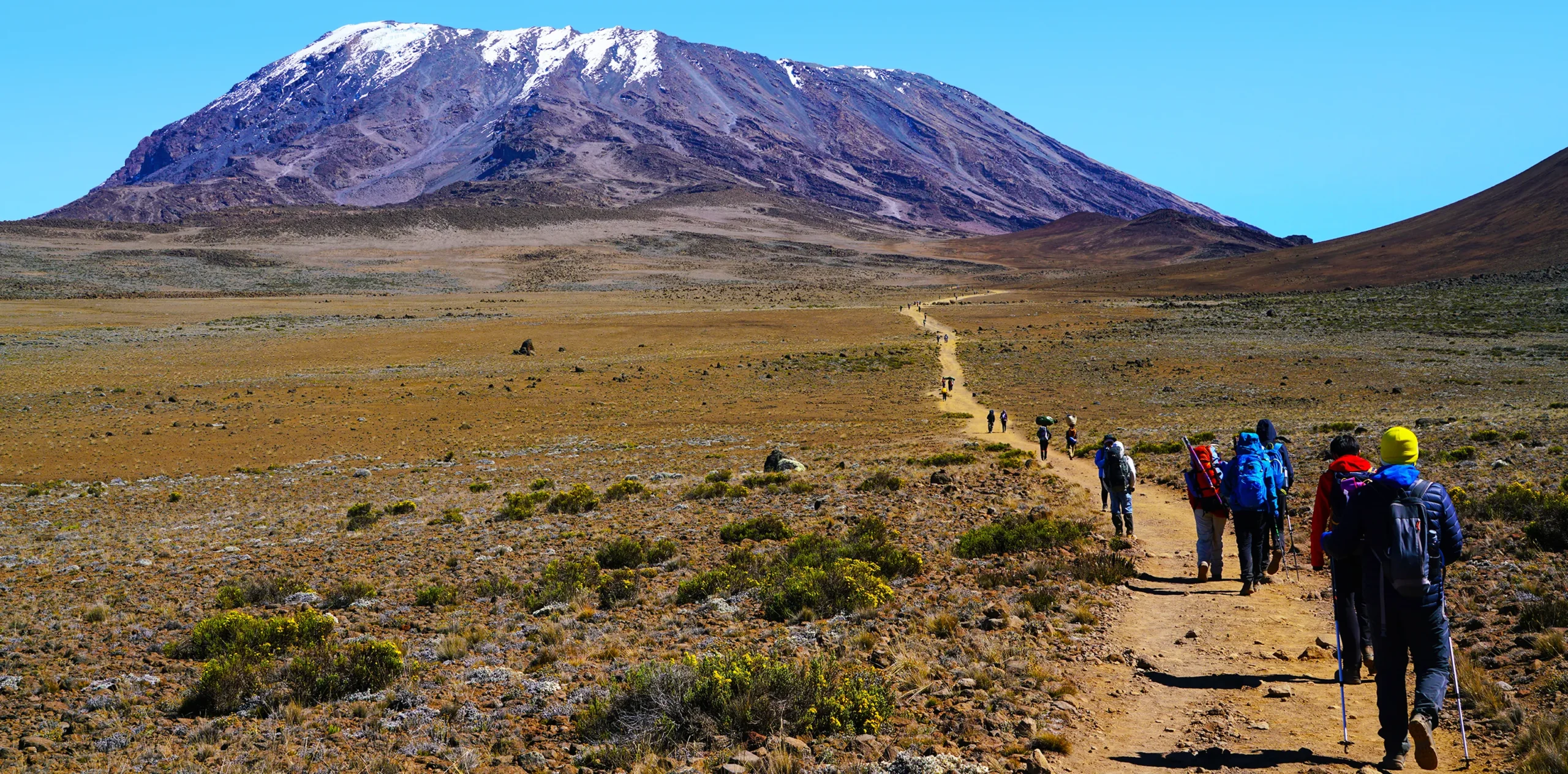
Travel is the movement of people between relatively distant geographical locations, and can involve travel by foot, bicycle, automobile, train, boat, bus, airplane, or other means, with or without luggage, and can be one way or round trip. Travel can also include relatively short stays between successive movements.
The origin of the word “travel” is most likely lost to history. The term “travel” may originate from the Old French word travail, which means ‘work’. According to the Merriam Webster dictionary, the first known use of the word travel was in the 14th century.
Highlights
Trek to the world-famous Everest Base Camp
Enjoy the amazing view of the Himalayas from Kala Patthar
Travel through the Sherpa villages of Namche, Khumjung, Khunde, and Dingboche
Visit Tengboche the biggest and oldest monastery n the region.
4 Days Classic Serengeti Safari Itinerary (Tanzania)
This 4-day Serengeti safari itinerary offers a complete wildlife experience across Tanzania’s most famous national parks. You will explore Serengeti National Park and Ngorongoro Crater with professional guides, game drives, and unforgettable wildlife encounters including the Big Five.
Day 1 :
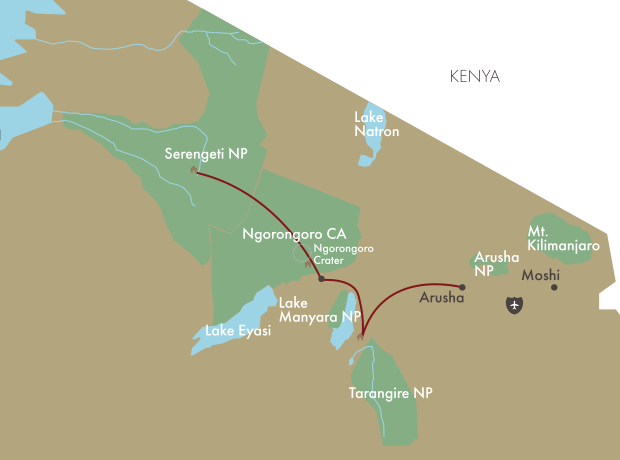
Arusha → Serengeti National Park
Your safari begins with a morning departure from Arusha. You will drive through the scenic Ngorongoro Highlands with beautiful landscapes along the way. Upon arrival in Serengeti National Park, enjoy an afternoon game drive introducing you to the vast savannah and wildlife such as giraffes, zebras, elephants, and lions. Overnight stay at a lodge or tented camp inside Serengeti.
Day 2 :
Full Day Serengeti Game Drive
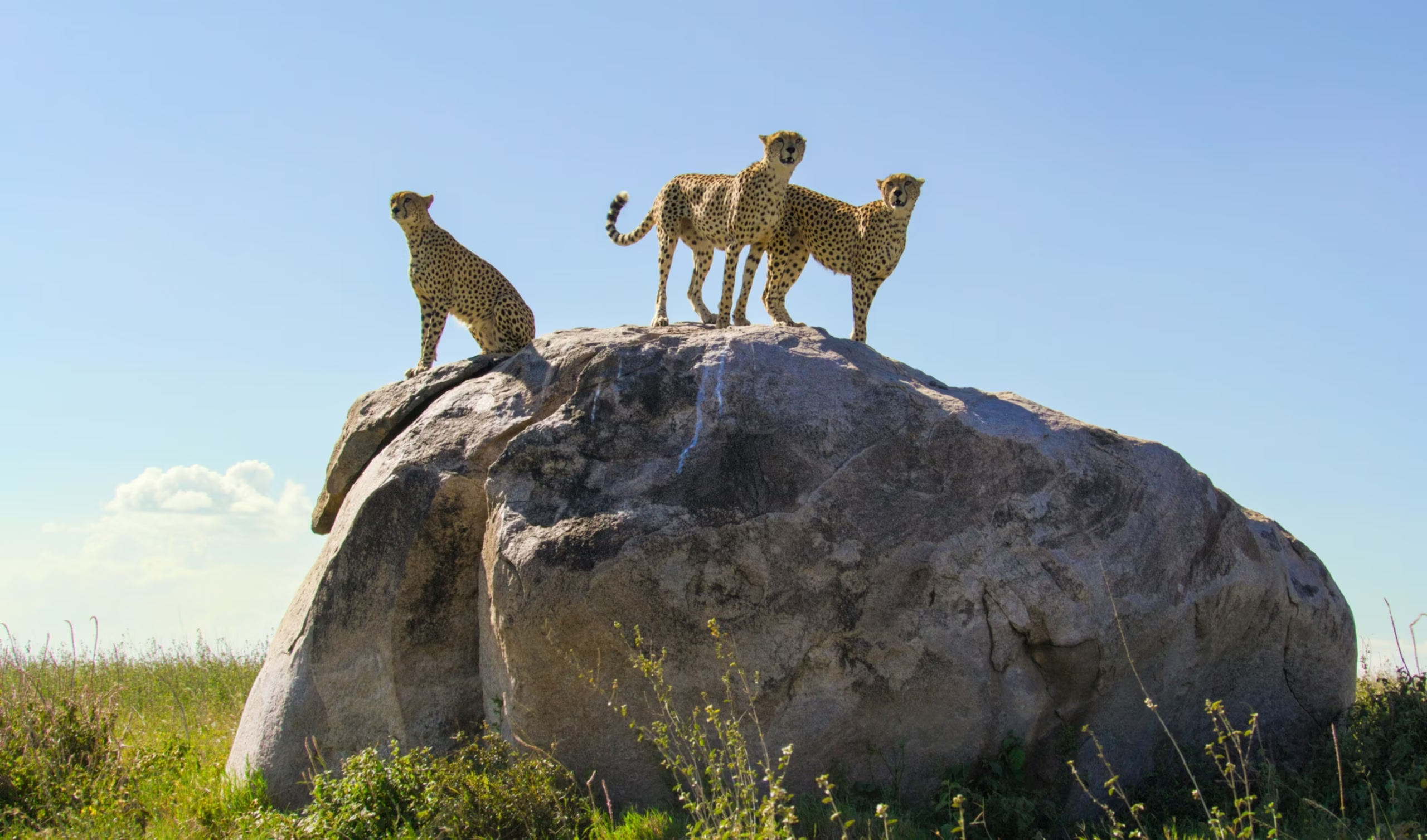
Spend a full day exploring the central Serengeti (Seronera area), one of the richest wildlife regions in Africa. Morning and afternoon game drives give you chances to see predators like lions, cheetahs, and leopards hunting, as well as large herds of herbivores. Enjoy a picnic lunch inside the park surrounded by nature. Overnight stay in Serengeti.
Day 3 :
Serengeti → Ngorongoro Conservation Area
After breakfast, enjoy a morning game drive as you exit Serengeti. Drive towards Ngorongoro Conservation Area with optional stop at Olduvai Gorge, a famous archaeological site. Arrive in the Ngorongoro highlands for dinner and overnight stay near the crater rim.
Day 4 :
Ngorongoro Crater → Arusha
Early morning descent into the Ngorongoro Crater for a half-day game drive. This UNESCO World Heritage Site is home to diverse wildlife including rhinos, elephants, buffalo, lions, and flamingos. After lunch, ascend the crater and drive back to Arusha, marking the end of your safari adventure.
Cost
The Cost Includes
Airport pick-up and drop-off (Arusha/Kilimanjaro)
Professional English-speaking safari guide
Private 4x4 safari vehicle with pop-up roof
All park entrance fees (Serengeti & Ngorongoro)
Full-board accommodation (lodge or tented camp)
Meals (breakfast, lunch, dinner) during safari
Bottled drinking water throughout the trip
Game drives as per itinerary
Crater service fees (Ngorongoro)
The Cost Excludes
International flights
Tanzania visa fees
Travel insurance
Personal expenses (souvenirs, drinks, laundry)
Tips for guide, driver, and staff
Optional activities (e.g. balloon safari)
Alcoholic drinks
All About Your Trek
Embark on an exhilarating trekking journey that immerses you in the pristine beauty of nature and the rich cultural heritage of the region. This trek offers a perfect blend of adventure, breathtaking scenery, and meaningful local encounters, making it an ideal choice for those seeking to connect deeply with the environment and people.
Route & Terrain: The trek covers a diverse landscape, ranging from dense forests and terraced fields to rocky mountain paths and high-altitude meadows. You’ll traverse well-marked trails that challenge your endurance while rewarding you with spectacular panoramic views. Some sections may involve steep ascents and descents, so a good level of physical fitness and stamina is recommended.
Duration & Pace: This trek typically lasts [X days], allowing you to enjoy a balanced pace that combines daily trekking with time to rest and explore local villages. Each day’s walk averages between 4 to 7 hours, giving you ample opportunity to soak in the scenery and capture stunning photographs.
Accommodation & Facilities: Overnight stays are arranged in traditional teahouses or mountain lodges, offering basic yet comfortable amenities. These cozy accommodations provide a chance to experience the warmth of local hospitality, enjoy hearty home-cooked meals, and recharge for the next day’s trek.
Cultural Experience: Beyond the natural beauty, this trek provides a unique window into the life of indigenous communities. You’ll meet friendly locals, learn about their customs, traditions, and way of life, and perhaps even participate in cultural activities or festivals depending on the timing of your visit.
Best Time to Visit: The optimal trekking seasons are during the spring months of March to May and the autumn months of September to November. During these periods, the weather is generally clear and stable, with moderate temperatures and minimal rainfall, ensuring safer trekking conditions and breathtaking visibility.
Preparation & Packing Tips: To make the most of your trek, pack wisely. Essential items include sturdy trekking boots, layered clothing for fluctuating temperatures, rain gear, sun protection such as hats and sunscreen, a reusable water bottle, and personal medication. It’s advisable to keep your backpack light and prioritize comfort and functionality.
Health & Safety: Your safety is our utmost priority. The trek is guided by experienced professionals who are well-versed in mountain safety and first aid. They continuously monitor weather and trail conditions to ensure a secure experience. Remember to stay hydrated, pace yourself, and communicate any discomfort to your guide immediately.
Environmental Responsibility: We encourage all trekkers to practice responsible tourism by minimizing waste, respecting wildlife, and preserving the natural environment. Carry out all trash, avoid disturbing flora and fauna, and support local conservation efforts by purchasing souvenirs directly from artisans.
Additional Support: Should you have any specific requirements or need assistance in planning your trek, our team is available to provide personalized advice and support. We also offer options for porter services or mule assistance to help carry your luggage, making your trek more comfortable.
FAQs
How do I book a tour?
You can book a tour directly through our website by selecting your preferred package and filling in the booking form. Our team will confirm your booking shortly after.
What is included in the tour price?
Most of our tours include transport, professional guide, park fees, accommodation (for multi-day tours), and meals as specified in each itinerary.
What is not included in the tour price?
International flights, visa fees, travel insurance, tips, personal expenses, and optional activities are usually not included.
What type of accommodation is used?
We use comfortable lodges, hotels, or tented camps depending on the package you choose.