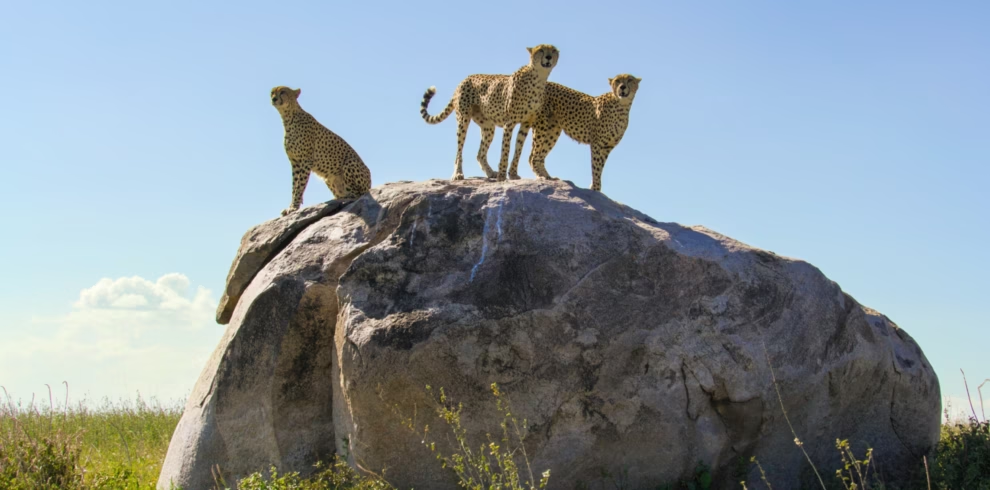
The 6 Days Serengeti Photography Safari is designed for travelers who want to capture Tanzania’s extraordinary wildlife and landscapes through photography. Serengeti National Park offers endless plains, dramatic sunsets, impressive wildlife, and opportunities to photograph lions, leopards, cheetahs, elephants, giraffes, zebras, and wildebeest.
Unlike a standard safari, a photography-focused experience allows more time to observe animal behavior, find suitable camera angles, and take advantage of the beautiful light around sunrise and sunset.
With Focus Kill Adventures, you can explore the Serengeti with a professional safari guide and enjoy a memorable adventure tailored to your photography interests.
Safari Highlights
- Photograph lions, leopards, cheetahs, elephants, and other wildlife.
- Explore the famous plains of Serengeti National Park.
- Capture beautiful sunrise and sunset scenes.
- Photograph wildlife in its natural habitat.
- Enjoy extended game drives with time for photography.
- Search for the Great Wildebeest Migration, depending on the season.
- Capture African landscapes, birds, and dramatic skies.
Why Choose a 6 Days Serengeti Photography Safari?
Six days provide valuable time to explore different areas of the Serengeti and wait for memorable wildlife moments. Instead of rushing between destinations, you can spend more time observing animals, photographing their behavior, and capturing the changing light across the plains.
This safari is suitable for wildlife photography enthusiasts, nature lovers, professional photographers, and beginners who want to improve their photography skills while experiencing Tanzania’s remarkable wildlife.
6 Days Serengeti Photography Safari Itinerary
Day 1: Arrival in Arusha
Arrive at Kilimanjaro International Airport or Arusha Airport, where you will be welcomed and transferred to your accommodation in Arusha. Depending on your arrival time, you can prepare your camera equipment and discuss your photography interests with your safari team. Enjoy dinner and an overnight stay in Arusha.
Day 2: Arusha to Serengeti National Park
After breakfast, travel to Serengeti National Park by road or arrange a domestic flight, depending on your preferred itinerary. Enjoy scenic views along the way and begin photographing wildlife after entering the park, if time permits. Look for giraffes, zebras, elephants, and other animals as you explore the plains. Dinner and overnight stay at your selected lodge or tented camp.
Day 3: Full-Day Wildlife Photography in Serengeti
Spend the day photographing the Serengeti’s diverse wildlife. Early morning game drives offer opportunities to capture animals in soft natural light, while the afternoon provides another chance to photograph predators, grazing herds, and beautiful landscapes. Your guide can help identify promising sightings and suitable viewing positions. Return to your accommodation for dinner and overnight.
Day 4: Big Cat and Wildlife Photography
Continue exploring the Serengeti, focusing on wildlife behavior and photography opportunities. Search for lions resting or moving through the grass, leopards in suitable habitats, and cheetahs across open plains. You can also photograph elephants, birds, and smaller wildlife. Animal sightings depend on natural movements, so patience and flexibility are important. Dinner and overnight stay at your camp or lodge.
Day 5: Serengeti Landscapes and Great Migration Photography
Enjoy another full day of photography in the Serengeti. Capture wide landscapes, acacia trees, dramatic skies, and large herds of wildebeest and zebras when present. Depending on the season, your guide can recommend the most suitable area for photographing the Great Wildebeest Migration. River crossings are unpredictable and cannot be guaranteed. Enjoy your final evening in the Serengeti.
Day 6: Morning Photography and Departure
Begin with an early morning game drive, offering a final opportunity to photograph wildlife in the soft morning light. After breakfast, return toward Arusha by road or take a scheduled domestic flight, depending on your arrangements. Connect with your onward flight or continue your Tanzania holiday, marking the end of your photography safari.
Best Time for a Serengeti Photography Safari
The best time depends on the subjects and scenery you want to photograph.
- January to March: A popular period for photographing wildebeest calving, newborn animals, predators, and green landscapes in the southern Serengeti and Ndutu area.
- June to October: Generally favorable for wildlife photography during the dry season. The northern Serengeti offers opportunities to search for wildebeest near the Mara River.
- November to December: The landscape often becomes greener, creating beautiful backgrounds for wildlife and landscape photography.
- April to May: The green season can provide dramatic skies and lush scenery, although rainfall may affect road conditions.
Wildlife movements and weather vary each year. Choose your travel dates according to your main photography interests.
Animals and Landscapes to Photograph
During your safari, you may have opportunities to photograph:
- Lions and their social behavior
- Leopards resting in trees or moving through their habitat
- Cheetahs across open plains
- Elephants and family groups
- Wildebeest and zebra herds
- Giraffes and buffaloes
- Hyenas and other predators
- Colorful birds and smaller wildlife
- Acacia trees, open grasslands, and dramatic sunsets
Specific sightings depend on wildlife movements, weather, and seasonal conditions.
Photography Equipment to Bring
For the best experience, consider packing:
- A DSLR or mirrorless camera
- A telephoto lens for wildlife photography
- A wide-angle lens for landscapes and large herds
- Extra batteries and memory cards
- Binoculars
- Lens-cleaning equipment and a dust-resistant camera bag
- A beanbag or suitable camera support for vehicle photography
- A laptop or portable storage device for backing up photographs
Beginners can also enjoy this safari with a basic camera or a smartphone with suitable zoom capabilities.
Accommodation Options
Focus Kill Adventures can arrange accommodation based on your budget and preferences.
- Budget camping: Suitable for travelers seeking an adventurous and affordable experience.
- Mid-range lodges and tented camps: Provide comfortable facilities and relaxing surroundings.
- Luxury lodges and tented camps: Offer premium comfort and convenient access to selected wildlife areas.
Accommodation location is particularly important for photography because it can reduce travel time and help you reach wildlife areas during the best light. Options depend on availability and your itinerary.
Responsible Wildlife Photography
Responsible photography protects both wildlife and the safari experience. Follow your guide’s instructions, maintain a respectful distance from animals, avoid disturbing natural behavior, and never ask a driver to approach wildlife unsafely for a photograph. Respecting park rules helps preserve the Serengeti for future generations.
Why Choose Focus Kill Adventures?
Focus Kill Adventures helps travelers discover Tanzania through personalized safari experiences and carefully planned itineraries. We can help organize transportation, accommodation, game drives, and routes that reflect your wildlife photography interests.
Whether you are a beginner, an experienced photographer, a couple, or a group of nature enthusiasts, our team can help you plan a memorable photographic adventure in Serengeti National Park.
Frequently Asked Questions
1. How much does a 6 Days Serengeti Photography Safari cost?
The price depends on group size, accommodation, travel season, transportation, and whether you choose a private vehicle. Contact Focus Kill Adventures for a personalized quotation.
2. Is this safari suitable for beginner photographers?
Yes. Beginners can enjoy photographing wildlife and landscapes. Basic knowledge of your camera settings can help you make the most of the experience.
3. What is the best time of day for wildlife photography?
Early morning and late afternoon often provide softer, warmer light. Wildlife activity varies, so other times can also produce excellent photographs.
4. Can I photograph the Great Wildebeest Migration?
Yes, depending on the season and the location of the herds. River crossings are unpredictable, so sightings cannot be guaranteed.
5. Which camera lens should I bring?
A telephoto lens is useful for photographing distant wildlife, while a wide-angle lens is ideal for landscapes and large herds. The best choice depends on your equipment and photography goals.
6. Will I have enough time to photograph animals?
The itinerary is designed to allow extended game drives and time at selected sightings, subject to park regulations, animal behavior, and your agreed schedule.
7. Is a private photography safari available?
Ask Focus Kill Adventures about a private safari. A private vehicle can offer greater flexibility with positioning, timing, and the time spent at wildlife sightings.
8. Can I combine this safari with other destinations?
Yes. You can discuss adding destinations such as Ngorongoro Crater or extending your holiday to Zanzibar, depending on your available time.
Book Your 6 Days Serengeti Photography Safari
Ready to capture the beauty of Tanzania’s wildlife? Contact Focus Kill Adventures to plan your 6 Days Serengeti Photography Safari. Share your preferred travel dates, group size, photography interests, and accommodation style to receive a personalized proposal.
Includes/Excludes
Cost Includes
- Private or shared safari transport in a suitable 4x4 safari vehicle.
- Professional English-speaking safari guide.
- Serengeti National Park entry fees.
- Accommodation for three nights, according to the selected package.
- Meals specified in the itinerary.
- Scheduled game drives.
- Drinking water during safari activities.
- Government taxes and applicable fees included in the quotation.
Cost Excludes
- International flights to and from Tanzania.
- Visa fees and travel insurance.
- Personal expenses, souvenirs, and laundry.
- Tips for the safari guide and lodge staff.
- Alcoholic and premium beverages.
- Optional hot-air balloon safari.
- Accommodation before or after the safari.
- Domestic flights when not included in the package.
- Any service not expressly listed in the final itinerary.