The 6 Days Rongai Route Kilimanjaro Climbing is an exciting adventure for travelers looking for a quieter and less crowded way to reach the summit of Mount Kilimanjaro.
The Rongai Route approaches the mountain from the northern side, near the Kenyan border, and descends through the Marangu Route on the southern side.
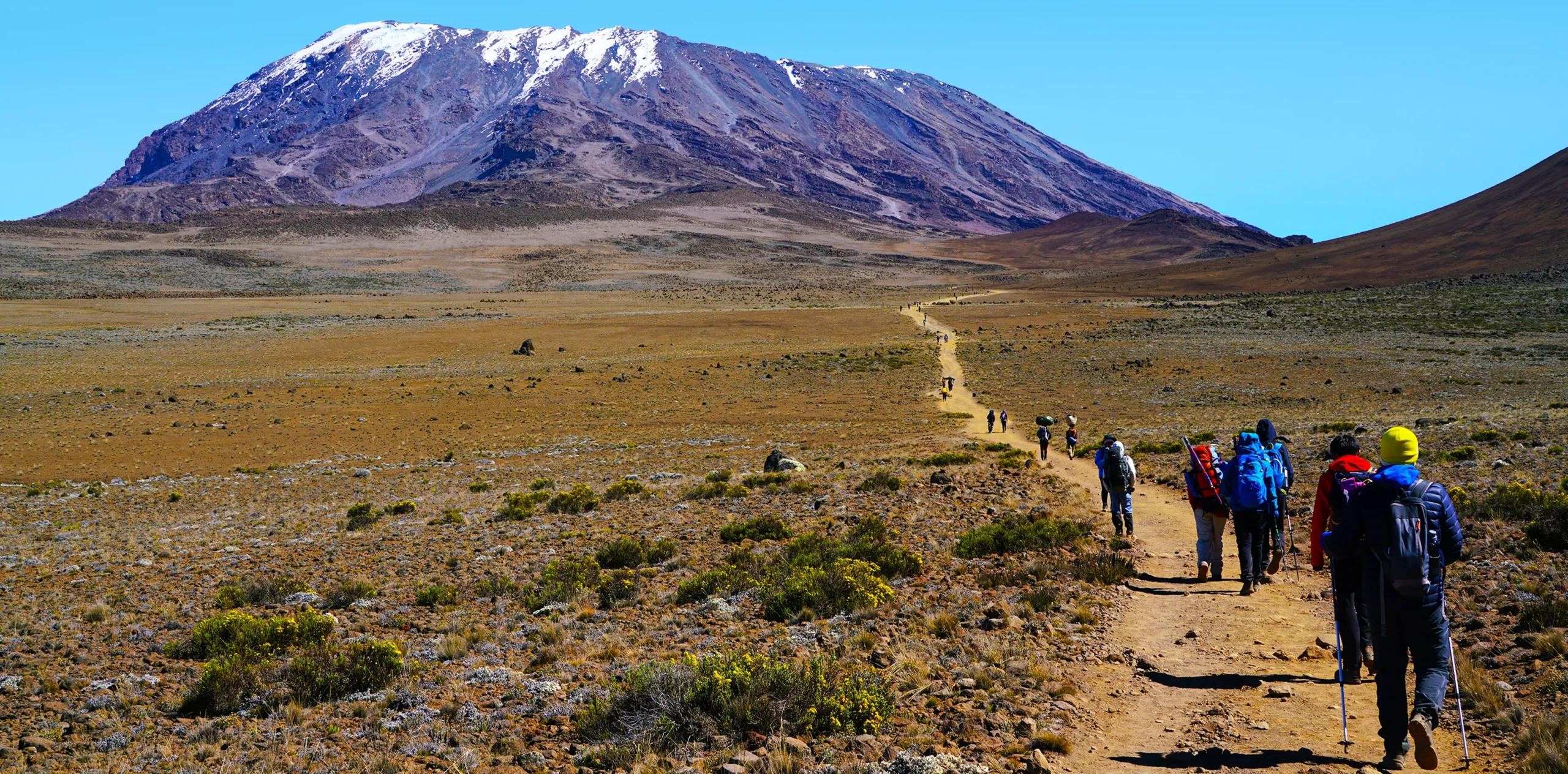
This route is known for its peaceful trails, open landscapes, and beautiful views of Mawenzi and Kibo peaks. It passes through rainforest, moorland, and alpine desert before reaching Uhuru Peak at 5,895 metres.
The six-day itinerary includes an additional acclimatization stage before reaching Kibo Hut, helping climbers prepare for the challenging summit attempt.
Route Highlights
- Climb Mount Kilimanjaro via the northern Rongai Route.
- Experience quieter and less crowded trails.
- Enjoy views of Mawenzi and Kibo peaks.
- Explore Simba Camp and Second Cave Camp.
- Pass through the beautiful alpine desert.
- Experience an additional acclimatization stage.
- Reach Uhuru Peak at 5,895 metres.
- Descend through the Marangu Route.
6 Days Rongai Route Kilimanjaro Itinerary
Day 1: Nale Moru Gate to Simba Camp
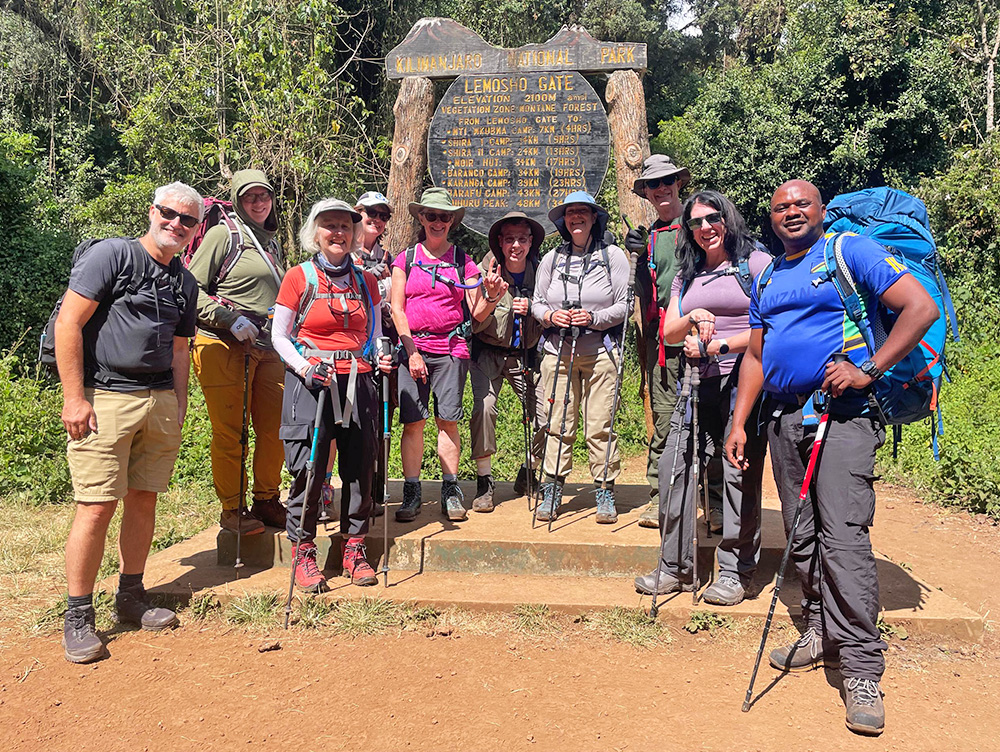
Your adventure begins with a transfer from Moshi to the northern side of Mount Kilimanjaro.
After registration at the park gate, continue to the Rongai starting point near Nale Moru village.
Begin trekking through farmland and beautiful forest areas. The trail is generally gradual, offering opportunities to enjoy the natural surroundings and spot wildlife.
After several hours, arrive at Simba Camp for dinner and overnight.
Trekking Time: Approximately 3–4 hours
Distance: Approximately 7 km
Elevation: 1,950 m to 2,625 m
Day 2: Simba Camp to Second Cave Camp
After breakfast, continue climbing through the moorland zone.
The trail gradually rises along the northern slopes of Kilimanjaro, offering impressive views of Mawenzi and Kibo peaks.
You will pass through open landscapes with heather and other mountain vegetation before arriving at Second Cave Camp.
Spend the afternoon resting and enjoying the mountain scenery.
Trekking Time: Approximately 3–4 hours
Distance: Approximately 6 km
Elevation: 2,625 m to 3,450 m
Day 3: Second Cave Camp to Kikelewa Camp
After breakfast, continue trekking towards Kikelewa Camp.
The route passes through open moorland and increasingly rocky landscapes as you approach the higher mountain zones.
Enjoy views of the surrounding valleys and Mawenzi Peak along the way.
Arrive at Kikelewa Camp for dinner and overnight.
Trekking Time: Approximately 3–4 hours
Distance: Approximately 6 km
Elevation: 3,450 m to 3,600 m
Day 4: Kikelewa Camp to Mawenzi Tarn Camp
After breakfast, begin a steady climb towards Mawenzi Tarn Camp.
The trail becomes steeper as you approach the beautiful rocky landscape beneath Mawenzi Peak.
Mawenzi Tarn is located in a dramatic mountain setting, surrounded by impressive volcanic formations.
Arrive at camp, rest, and enjoy the views before dinner and overnight.
Trekking Time: Approximately 3–4 hours
Distance: Approximately 4–5 km
Elevation: 3,600 m to 4,330 m
Day 5: Mawenzi Tarn Camp to Kibo Hut
After breakfast, cross the wide alpine desert known as the Saddle, located between Mawenzi and Kibo peaks.
The trail gradually leads towards Kibo Hut, where you will prepare for the final summit attempt.
Upon arrival, have dinner and rest early. Your guides will provide a summit briefing and help you prepare your equipment for the midnight climb.
Trekking Time: Approximately 4–5 hours
Distance: Approximately 8 km
Elevation: 4,330 m to 4,703 m
Day 6: Kibo Hut to Uhuru Peak – Descend to Horombo Hut and Marangu Gate
Your summit attempt begins around midnight.
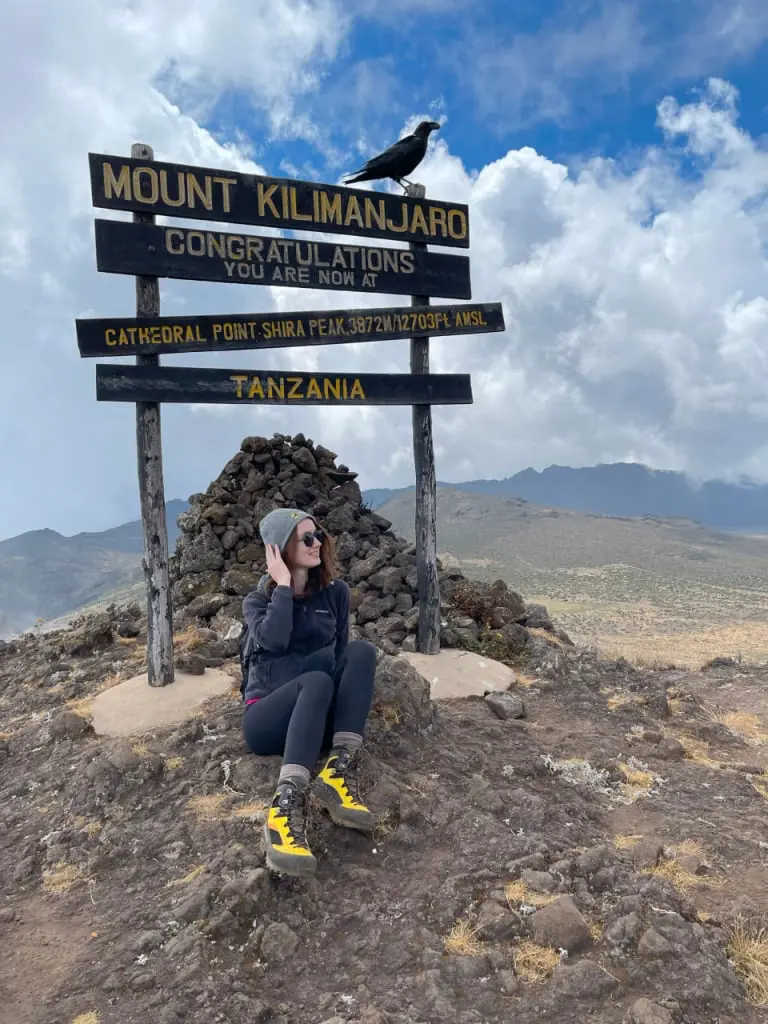
Trek slowly towards Gilman’s Point at approximately 5,685 metres before continuing along the crater rim to Uhuru Peak at 5,895 metres.
After celebrating your achievement and taking photographs, begin descending towards Kibo Hut for a short rest.
Continue down to Horombo Hut and then towards Marangu Gate, where your driver will meet you for the transfer back to Moshi.
Summit: Uhuru Peak – 5,895 m
Trekking Time: Approximately 12–16 hours or longer, depending on conditions and pace.
Why Choose the Rongai Route?
The Rongai Route is a good option for climbers who prefer quieter mountain trails and a northern approach to Mount Kilimanjaro.
Unlike the southern routes, Rongai offers a different perspective of the mountain, with beautiful views of Mawenzi and Kibo peaks.
The trail is generally gradual, although the six-day schedule has limited acclimatization time. Climbers should be physically prepared and follow their guides’ advice throughout the journey.
Best Time to Climb Kilimanjaro via Rongai Route
The Rongai Route can be climbed throughout the year, but the drier months are generally preferred.
January to March: Generally cooler conditions with beautiful mountain views.
June to October: Popular climbing months with generally favourable trekking conditions.
November to December: Possible climbing months, although short rains may affect some trails.
Rongai is sometimes preferred during wetter periods because the northern side generally receives less rainfall than the southern slopes. However, weather conditions can still change quickly.
What to Pack for the 6 Days Rongai Route
- Waterproof hiking boots.
- Warm insulated jacket.
- Waterproof jacket and trousers.
- Thermal base layers.
- Warm gloves and hat.
- Sleeping bag suitable for freezing temperatures.
- Headlamp and extra batteries.
- Sunglasses and sunscreen.
- Trekking poles.
- Water bottles or hydration system.
- Personal medication.
- Energy snacks.
Why Choose Focus Kill Adventures?
Focus Kill Adventures organizes Mount Kilimanjaro climbing experiences with experienced mountain guides and professional support teams.
We focus on proper preparation, organized trekking schedules, climber safety, and support throughout the mountain journey.
Our team helps make your Kilimanjaro adventure organized and memorable, from the first day of trekking to the final descent.
Frequently Asked Questions About the 6 Days Rongai Route
How difficult is the 6 Days Rongai Route?
The route has a gradual approach, but the high altitude and challenging summit day make it physically demanding.
Is the Rongai Route suitable for beginners?
Fit beginners can attempt the route, but proper preparation is important. The six-day schedule has limited acclimatization time.
Where does the Rongai Route start?
The route starts near Nale Moru village on the northern side of Mount Kilimanjaro, close to the Kenyan border.
Where do climbers sleep during the trek?
Climbers sleep in mountain tents at designated campsites along the Rongai Route.
What is the highest point of the Rongai Route?
The highest point is Uhuru Peak at 5,895 metres above sea level.
Does the Rongai Route descend through Marangu?
Yes. Climbers ascend through the northern Rongai side and descend through the Marangu Route.
Is altitude sickness possible?
Yes. Altitude sickness can affect climbers regardless of fitness. Proper acclimatization, hydration, and reporting symptoms to your guides are important.
Is reaching Uhuru Peak guaranteed?
No. Summit success depends on weather, health, altitude response, acclimatization, and safety decisions made by the mountain guides.
Book Your 6 Days Rongai Route Kilimanjaro Climbing
Experience the beauty of Mount Kilimanjaro through the quieter northern Rongai Route.
Explore the mountain’s open landscapes, enjoy views of Mawenzi and Kibo peaks, and take on the challenge of reaching Uhuru Peak at 5,895 metres.
Plan your Kilimanjaro adventure with Focus Kill Adventures and enjoy an unforgettable journey to the Roof of Africa.
Trip Highlights
- Gradual ascent reduces altitude sickness risk
- Gradual ascent reduces altitude sickness risk
- Stunning views of rainforest, moorland, and alpine desert
- Expert local guides and full support team