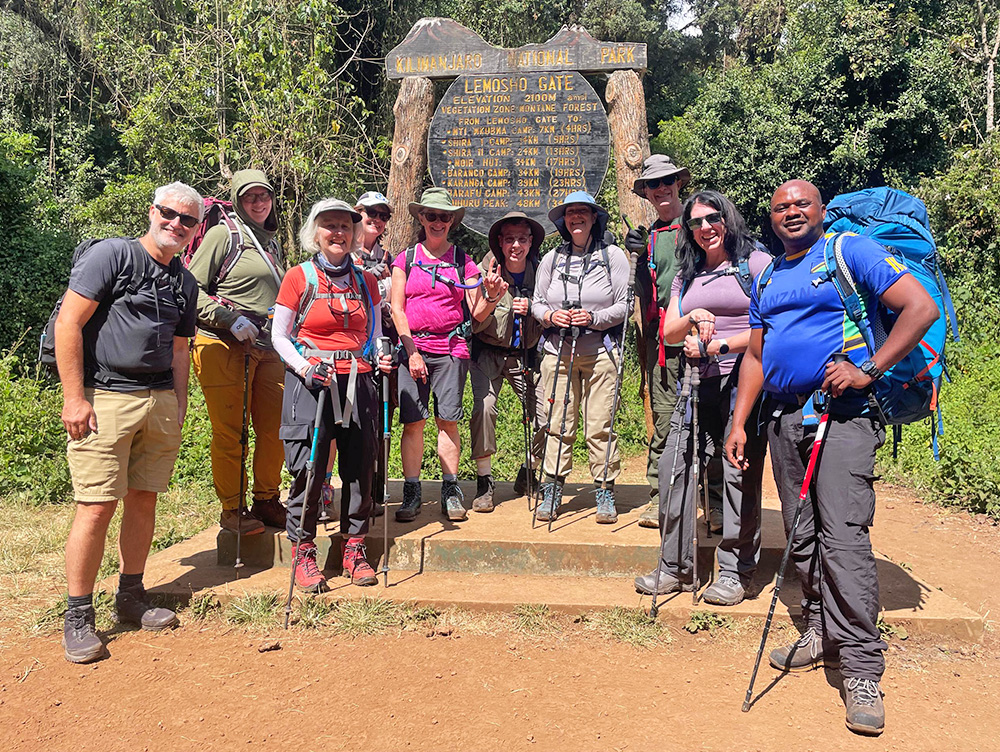
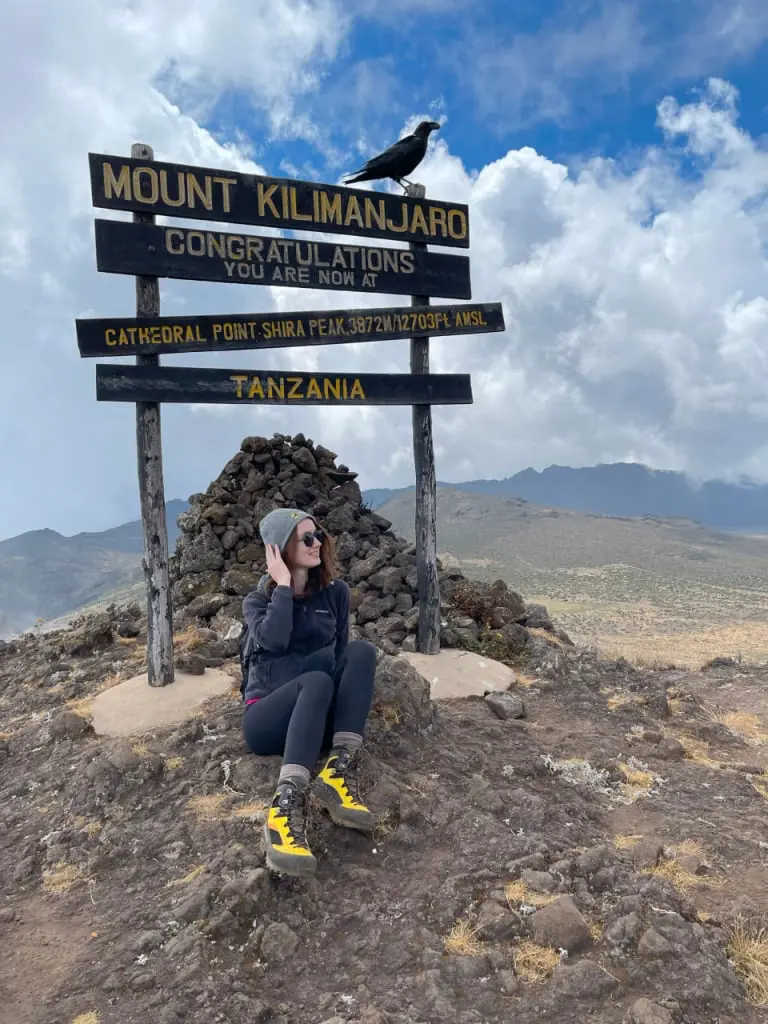
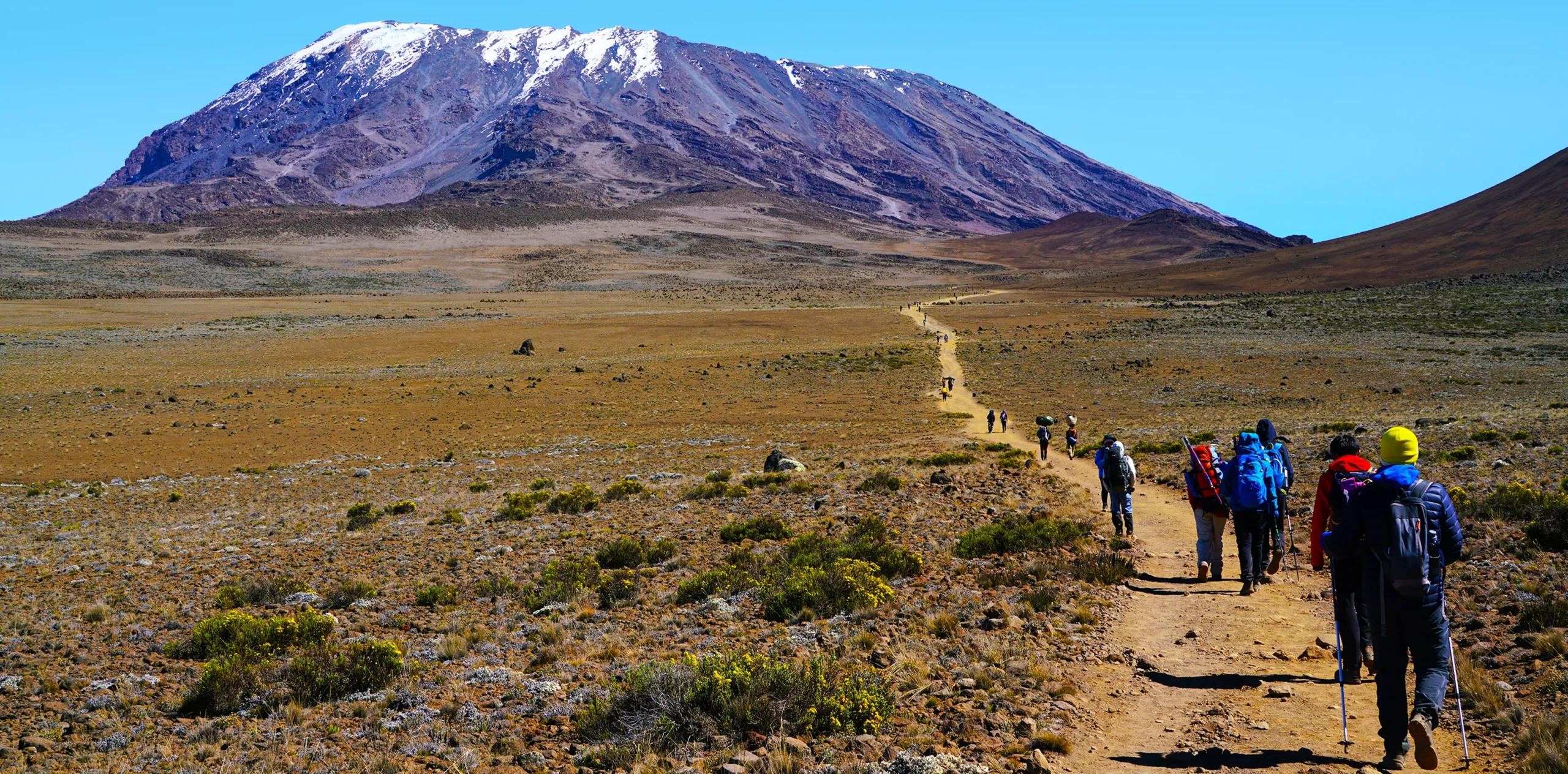
The 6 Days Umbwe Route Kilimanjaro Climbing is a challenging adventure for experienced and physically prepared hikers seeking a direct and steep approach to the summit of Mount Kilimanjaro.
Starting from the southern side of the mountain, the route passes through dense tropical rainforest, narrow ridges, dramatic valleys, and high-altitude landscapes. Umbwe is known for its rapid elevation gain and relatively quiet opening stages.
The journey continues to Barranco Camp, where the route joins the southern circuit. Climbers then cross the famous Barranco Wall and Karanga Valley before reaching Barafu Camp, the starting point for the final summit attempt.
This six-day itinerary is demanding because it does not include an additional acclimatization day at Barranco Camp. It is generally more suitable for experienced trekkers than beginners.
6 Days Umbwe Route Highlights
- Climb through the beautiful Kilimanjaro rainforest.
- Experience the steep and scenic Umbwe Ridge.
- Explore the dramatic Barranco Valley.
- Climb the famous Barranco Wall.
- Cross Karanga Valley on the way to Barafu Camp.
- Attempt the summit from Barafu Camp.
- Reach Uhuru Peak at 5,895 meters.
- Descend through Mweka Camp to Mweka Gate.
Detailed 6 Days Umbwe Route Itinerary
Day 1: Umbwe Gate to Umbwe Camp
After breakfast, drive to Umbwe Gate for registration and preparation with your mountain team. Begin hiking through dense tropical rainforest along a steep and narrow ridge between two river valleys.
The trail is surrounded by tall trees, ferns, mosses, and different forest plants. The climb is steep from the beginning, so maintaining a slow and steady pace is important.
After approximately 5–7 hours, arrive at Umbwe Camp for dinner and overnight accommodation.
- Starting altitude: Approximately 1,600 m
- Camp altitude: Approximately 2,850 m
- Hiking distance: Approximately 11 km
- Hiking time: 5–7 hours
- Accommodation: Umbwe Camp
Day 2: Umbwe Camp to Barranco Camp
After breakfast, continue climbing along the Umbwe Ridge. The rainforest gradually becomes thinner as the trail enters the heath and moorland vegetation zones.
The route remains steep, with impressive views of the surrounding valleys and, when conditions allow, the southern glaciers of Kilimanjaro.
Continue toward Barranco Valley, where you will find giant groundsels and other high-altitude plants. Arrive at Barranco Camp beneath the impressive Barranco Wall.
- Starting altitude: Approximately 2,850 m
- Camp altitude: Approximately 3,950 m
- Hiking distance: Approximately 6 km
- Hiking time: 5–7 hours
- Accommodation: Barranco Camp
Day 3: Barranco Camp to Karanga Camp to Barafu Camp
After breakfast, begin climbing the famous Barranco Wall. Although it looks steep, this section is generally a non-technical scramble. Some sections require using your hands for balance, and your guides will help you move safely.
After reaching the top, continue across ridges before descending into Karanga Valley. Cross the valley and continue climbing toward Karanga Camp, where you can take a lunch break and rest.
Unlike the seven-day itinerary, this six-day version does not normally include an overnight stay at Karanga Camp. Continue toward Barafu Camp through exposed alpine desert.
Upon arrival, enjoy dinner and prepare your equipment for the summit attempt, which normally begins around midnight.
- Starting altitude: Approximately 3,950 m
- Karanga altitude: Approximately 4,035 m
- Camp altitude: Approximately 4,640 m
- Hiking distance: Approximately 9 km
- Hiking time: 7–9 hours
- Accommodation: Barafu Camp
Day 4: Barafu Camp to Uhuru Peak and Mweka Camp
The summit attempt usually begins around midnight. After a light meal and final equipment check, start climbing slowly toward Stella Point.
The trail is steep and covered with loose volcanic scree. Temperatures can fall below freezing, and the climb requires patience, determination, and careful monitoring by your guides.
Reach Stella Point at approximately 5,756 meters before continuing along the crater rim to Uhuru Peak at 5,895 meters, the highest point in Africa.
After taking photographs and celebrating your achievement, begin descending to Barafu Camp for a short rest and refreshments. Continue down through the alpine desert and moorland to Mweka Camp.
This is a very long and physically demanding day.
- Starting altitude: Approximately 4,640 m
- Stella Point: Approximately 5,756 m
- Summit altitude: 5,895 m
- Camp altitude: Approximately 3,100 m
- Hiking distance: Approximately 17 km
- Hiking time: Approximately 12–16 hours
- Accommodation: Mweka Camp
Day 5: Mweka Camp to Mweka Gate
After breakfast, begin the final descent through the montane rainforest toward Mweka Gate. The trail can be muddy or slippery, particularly during rainy conditions.
At the gate, complete the park checkout procedures and receive your summit certificate according to the highest point you reached.
Your driver will meet you for the transfer back to your hotel in Moshi or Arusha.
- Starting altitude: Approximately 3,100 m
- Finishing altitude: Approximately 1,640 m
- Hiking distance: Approximately 10 km
- Hiking time: 3–4 hours
Day 6: Departure or Additional Tanzania Experience
After breakfast at your hotel, you can transfer to Kilimanjaro International Airport for your departure flight or continue with another Tanzania experience.
You may choose to extend your stay with a wildlife safari in Serengeti, Ngorongoro, or Tarangire, or enjoy a relaxing Zanzibar beach holiday.
Additional accommodation and activities can be arranged according to your travel plans.
Best Time to Climb the 6 Days Umbwe Route
The Umbwe Route can be climbed throughout the year, but the drier months are generally preferred because the steep rainforest trail can become slippery during heavy rainfall.
January to March: Generally favourable conditions, with opportunities for clear mountain views.
June to October: A popular climbing period with generally drier weather.
November to December: Short rains may occur, and trail conditions can vary.
April to May: The main rainy season, when muddy and slippery trails can make the climb more difficult.
Why Choose the 6 Days Umbwe Route?
The six-day Umbwe Route is a suitable option for experienced hikers looking for a challenging and direct Kilimanjaro adventure.
Its steep rainforest trails, narrow ridges, Barranco Wall, and high-altitude summit approach make it a memorable mountain experience. However, the itinerary has limited acclimatization time and combines the Karanga and Barafu stages into one demanding day.
Climbers should understand the physical and altitude-related challenges before choosing this route. A longer itinerary, such as the seven-day Umbwe Route, provides an additional day at Barranco Camp and more time to adjust to the altitude.
Why Climb with Focus Kill Adventures?
Focus Kill Adventures organizes Kilimanjaro climbing experiences with local mountain support and experienced trekking teams.
Our team helps with route preparation, mountain guiding, campsite arrangements, meals, and essential safety procedures throughout the climb.
We focus on proper preparation, steady trekking, regular health monitoring, and responsible decisions on the mountain. Every climb is organized to help guests experience Kilimanjaro while prioritizing their safety and well-being.
Frequently Asked Questions
1. How difficult is the 6 Days Umbwe Route?
It is one of the more challenging Kilimanjaro routes because of its steep terrain, rapid elevation gain, and limited acclimatization time.
2. Is the six-day Umbwe Route suitable for beginners?
It is generally not recommended for complete beginners. Previous hiking experience and good physical preparation are strongly recommended.
3. What is the highest point of the Umbwe Route?
The highest point is Uhuru Peak at 5,895 meters above sea level.
4. Does the six-day Umbwe Route include an acclimatization day?
No. Unlike the seven-day itinerary, the six-day version does not include a separate acclimatization day at Barranco Camp.
5. How difficult is the Barranco Wall?
The Barranco Wall is steep but generally a non-technical scramble. Climbers should follow their guides and move carefully.
6. Where does the Umbwe Route start and finish?
The trek begins at Umbwe Gate and finishes at Mweka Gate after descending through the Mweka Route.
7. Where do climbers sleep during the trek?
Climbers sleep in mountain tents at designated campsites along the route.
8. Is reaching Uhuru Peak guaranteed?
No. Summit success depends on fitness, altitude response, weather, acclimatization, and the guide’s safety decisions.
Book Your 6 Days Umbwe Route Kilimanjaro Climb
Take on one of Kilimanjaro’s steepest and most demanding trekking routes with Focus Kill Adventures. Experience the rainforest, Umbwe Ridge, Barranco Wall, and the final ascent to Uhuru Peak.
Contact Focus Kill Adventures to discuss your preferred dates and arrange your six-day Kilimanjaro climbing adventure.
Trip Highlights
- Gradual ascent reduces altitude sickness risk
- Gradual ascent reduces altitude sickness risk
- Stunning views of rainforest, moorland, and alpine desert
- Expert local guides and full support team